Spanish Wine Guide
A practical guide to geographical names, vintage, grapes, aging terms and producer information.
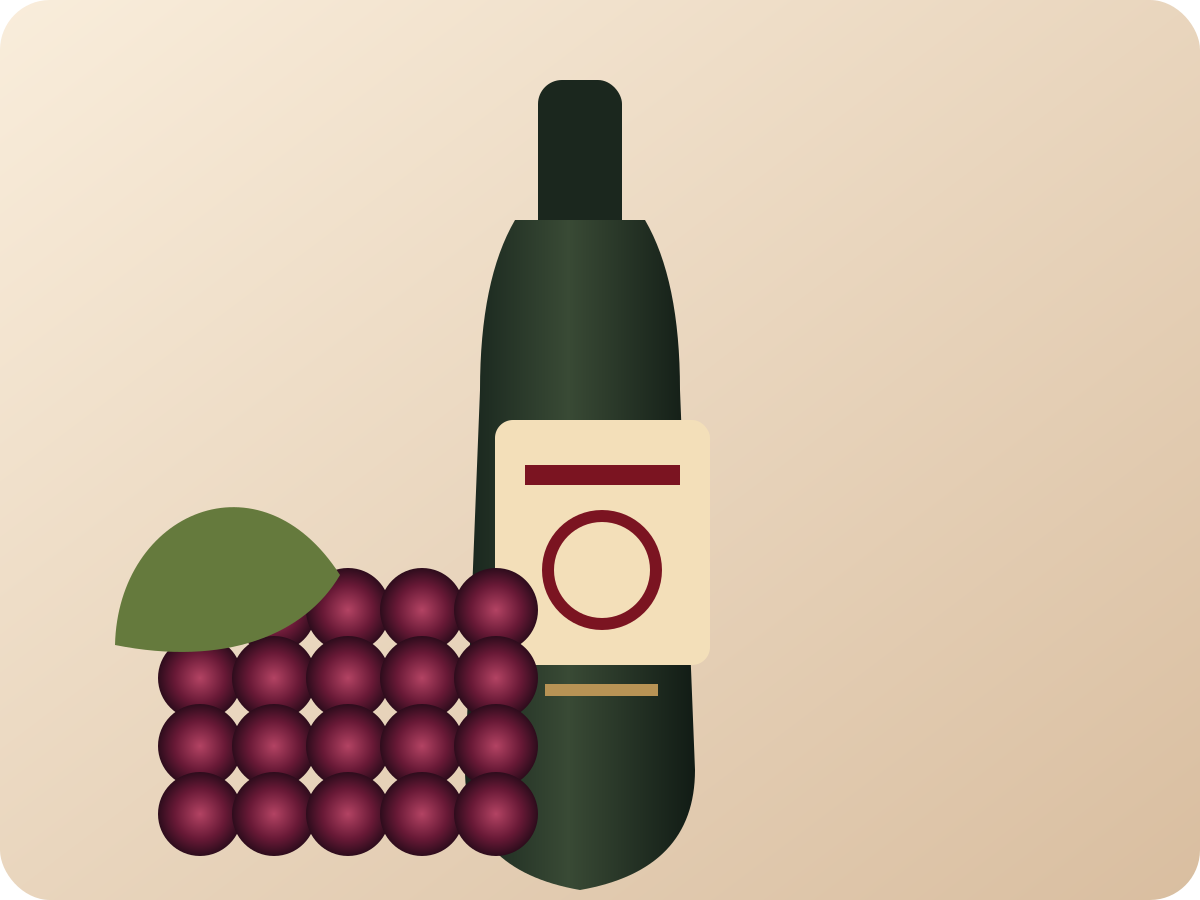
Front Label: The Quick Clues
- Producer or brand name.
- Protected geographical name, when applicable.
- Vintage, if the wine is vintage-dated.
- Traditional aging terms or style descriptors.
- Alcohol by volume and bottle size.
Back Label: The Useful Detail
The back label may identify grape varieties, bottler, importer, lot number, allergens, service suggestions and the official seal or control number. Marketing language is optional; mandatory legal information is not.
Aging Words Need Context
Words such as Crianza, Reserva and Gran Reserva are controlled within relevant specifications, but exact requirements can differ by designation and wine category. Do not assume that an aging term automatically means “better”; it mainly describes a production pathway.
What the Label Cannot Tell You
A label cannot guarantee that you will enjoy the wine. Producer style, site, vintage conditions, serving temperature and bottle storage all affect the experience.
Editorial note: This guide explains general wine concepts and does not endorse a specific bottle or producer. Wine is intended for adults of legal drinking age; please enjoy responsibly.